
Industrial Unit Insurance
provides tailored protection for businesses and property owners with industrial premises used for manufacturing, storage, distribution, workshops and other commercial activities. Whether your business owns its industrial unit, operates from a rented commercial property, or you are a commercial landlord letting units to tenants, the right insurance cover can protect the building, business property, rental income and legal liabilities. At Ellis David, we can arrange specialist industrial unit insurance for UK businesses and commercial property owners. We work with over 100 UK insurers and specialist underwriters to develop cover around your commercial property, business activities, tenants, rebuilding costs and individual risk profile.
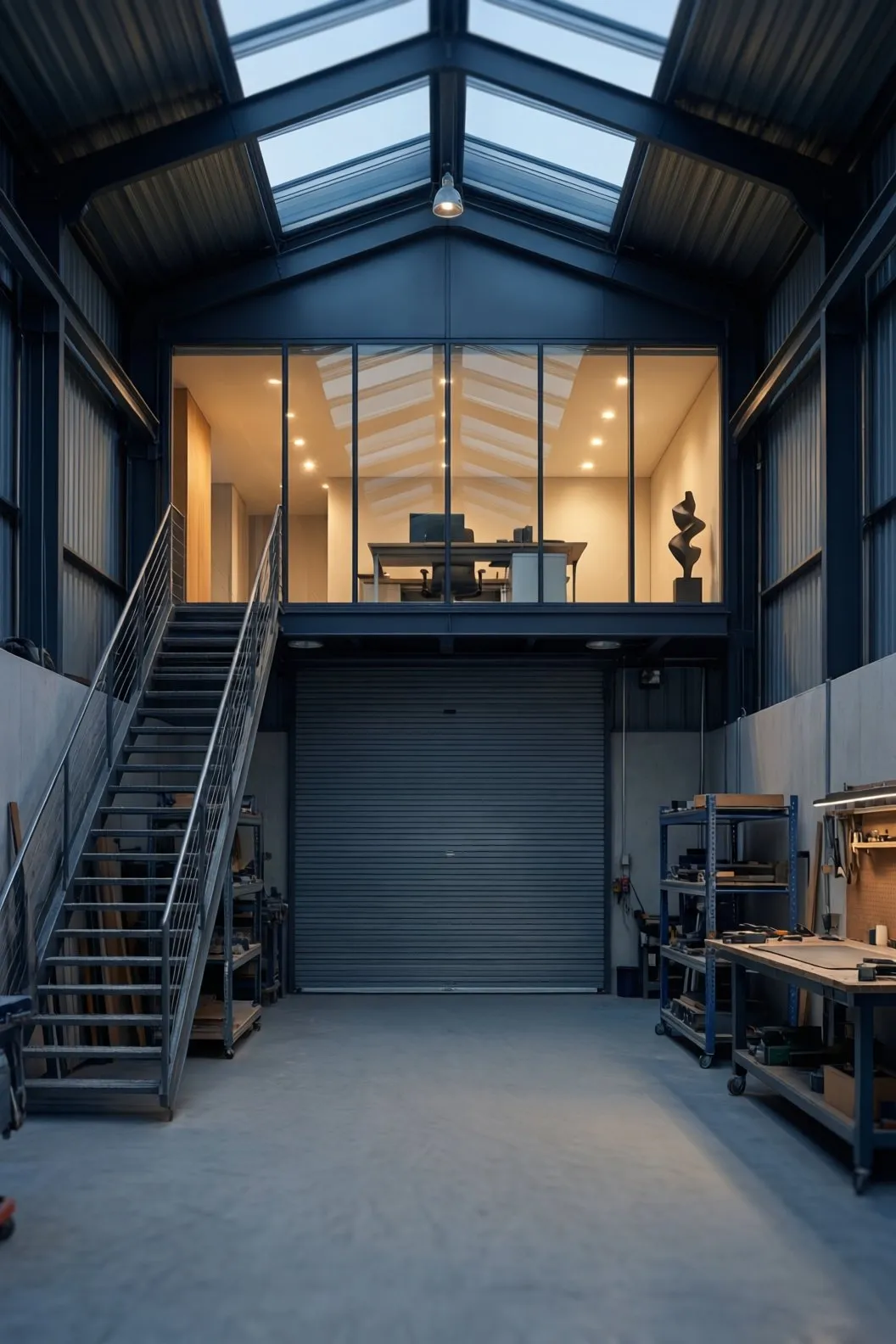
What Is Industrial Unit Insurance?
Industrial unit insurance is a type of commercial property insurance designed to protect industrial premises and the businesses or property owners using them.
An industrial unit can be exposed to a wide range of risks depending on how the premises are used. Manufacturing may involve machinery, raw materials and specialist equipment, while warehouse and storage units can contain significant levels of stock. Workshops and trade premises may also have tools, equipment and vehicles stored on-site.
Commercial buildings insurance can protect the physical structure of the industrial unit, while additional business insurance can provide cover for business contents, stock, liabilities and financial losses following an insured event.
The appropriate policy will depend on whether the business owns the property, rents it from a commercial landlord, or operates from a mixed-use commercial premises.
What Does Industrial Unit Insurance Cover?
The exact commercial property insurance cover available will depend on the insurer, property and activities carried out at the premises. A suitable industrial unit insurance policy can include:
Commercial buildings insurance can protect the structure of an industrial unit against insured risks such as fire, flood, storm damage, escape of water and other specified events.
The buildings sum insured should reflect the estimated cost of rebuilding the property rather than its market value. Rebuilding costs can also include certain professional fees, demolition and debris removal, depending on the policy.
Business contents cover can protect equipment, machinery, tools, office contents and other business property kept at the industrial premises.
Where a business owns specialist machinery or high-value equipment, these assets should be disclosed when arranging insurance so the policy can be structured appropriately.
Business interruption insurance can provide financial protection where an insured event causes damage that prevents or restricts the business from operating normally.
For an industrial business, a major fire or flood could damage the premises and equipment while also preventing production, storage or distribution. Business interruption cover can help with certain financial losses resulting from an insured interruption, subject to the policy terms and indemnity period.
Public liability insurance can protect a business against certain claims for injury to members of the public or damage to third-party property arising from its business activities.
The level of public liability cover required will depend on the nature of the business and the risks associated with the premises.
Property owners' liability insurance is particularly relevant to commercial landlords and property owners.
It can provide cover for certain legal liabilities arising from injury or damage connected with the ownership or management of the industrial property, subject to the policy terms.
Businesses that employ staff will generally need employers' liability insurance, subject to limited legal exemptions.
Employers' liability insurance can provide protection against certain claims relating to employee injury or illness caused by their work.
Legal expenses cover can provide financial support for certain legal disputes and legal fees.
Accidental damage cover may be available as an optional extension to provide broader protection against unexpected damage to the commercial property.
The availability and scope of accidental damage cover will depend on the insurer and policy selected.
For commercial landlords, loss of rent cover can provide protection against certain rental income losses following an insured event that makes the property unusable.
The amount and period of cover should reflect the potential time required to repair or rebuild the industrial unit and return it to use.
Industrial Unit Insurance For Specialist Industries
The right industrial unit insurance policy will depend on more than the physical building. Insurers will also consider how the premises are used, the materials and equipment present, the number of employees and the risks associated with the business.
Manufacturing Units
Manufacturing premises can contain machinery, production equipment, raw materials and finished products, creating a range of additional insurance considerations.
The manufacturing process, materials used, machinery and fire risks can all affect the property's risk profile and the commercial property insurance cover required.
Warehouse And Storage Units
Industrial units used for warehouse and storage purposes may contain significant levels of business stock or third-party goods.
Stock values, the type of goods stored, storage arrangements, security and the responsibilities the business has for goods belonging to customers can all affect the insurance requirements.
Trade And Workshop Units
Trade and workshop premises can require cover for tools, machinery, equipment, business contents and stock.
Businesses should also consider their public and employers' liability requirements, particularly where customers, contractors or employees regularly access the commercial premises.
Distribution Units
Distribution and logistics businesses may have stock, equipment and goods moving through their premises regularly.
In addition to buildings and contents insurance, businesses should consider whether they require additional insurance for goods in transit, vehicles or other risks associated with their operations.
What Affects The Cost Of Industrial Unit Insurance?
The cost of commercial property insurance can vary significantly. Factors that can affect the premium include:
- Location of the industrial unit
- Rebuilding cost
- Buildings sum insured
- Construction and age of the property
- Business use
- Type of business activities
- Value of business contents and equipment
- Stock values
- Flood risk
- Previous insurance claims
- Security arrangements
- Fire detection and protection
- Number of employees
- Liability limits
- Whether the property is occupied or unoccupied
- Whether the property is owned or leased
- Required optional extensions
For example, an industrial unit used for manufacturing may have a different risk profile from one used solely for storage. Similarly, a property in an area with a higher flood risk may require different consideration from a comparable property elsewhere.
There is therefore no standard commercial property insurance cost. Ellis David can assess your requirements, gather the supporting information insurers need and approach suitable providers for terms.
Industrial Unit Insurance For Landlords
Commercial landlords who own industrial units may require a different type of insurance from a business operating from the premises.
Commercial landlord insurance can protect the building and provide property owners' liability cover, with additional options available depending on the property and tenancy arrangements.
Cover for an industrial unit owned by a landlord can include:
- Commercial buildings insurance
- Property owners' liability insurance
- Loss of rent
- Legal expenses cover
- Accidental damage cover
- Cover for landlord-owned fixtures and fittings
The activities of tenants are an important consideration when arranging insurance. A unit occupied by a low-risk office-based business may present a different risk profile from premises used for manufacturing, vehicle repairs or storage of combustible materials.
Unoccupied Commercial Properties
Industrial units can sometimes become vacant between tenancies. Existing insurance cover may be restricted once a property has remained unoccupied for a specified period.
Specialist insurance for unoccupied commercial properties may therefore be required where an industrial unit is empty for an extended period.
Freeholders and commercial landlords should inform their insurance provider when a property becomes vacant rather than assuming that existing cover will continue unchanged.
Why Use Ellis David For Industrial Unit Insurance?
At Ellis David, we understand that industrial units can have complex insurance requirements. A standard business insurance policy may not adequately reflect the construction of the property, its rebuilding cost, business activities, equipment, stock or potential liabilities.
As a specialist insurance broker with over 50 years of experience, we can help you review your existing insurance cover, identify potential gaps and arrange suitable protection for your commercial premises.
We can work with over 100 UK insurers and specialist underwriters to source insurance for businesses, property owners and commercial landlords.
With over 150 years of combined experience, our London-based team can help with:
- Assessing your industrial property and business risks
- Reviewing existing commercial property insurance
- Establishing an appropriate buildings sum insured
- Arranging commercial buildings insurance
- Considering business contents and equipment cover
- Reviewing public and property owners' liability requirements
- Arranging employers' liability insurance
- Considering business interruption cover
- Assessing loss of rent requirements for landlords
- Arranging legal expenses cover
- Considering accidental damage and other optional extras
- Arranging specialist cover for unoccupied commercial properties
- Reviewing your policy as your business or property changes
Whether your business owns its premises, rents an industrial unit or you are a commercial landlord with multiple properties, Ellis David can help you explore suitable insurance cover based on your individual requirements.
Contact our team to discuss your requirements and arrange an industrial unit insurance quote.
Industrial Unit Insurance: FAQs
Industrial unit insurance can provide a combination of commercial buildings insurance, business contents, liability insurance and other forms of protection.
Depending on the circumstances, cover can include buildings, equipment, stock, business interruption, public liability, property owners' liability, employers' liability and legal expenses.
The exact cover available will depend on the insurer, property and business activities.
Industrial unit insurance itself is not generally a legal requirement. However, certain types of insurance may be required depending on your circumstances.
For example, employers' liability insurance is generally a legal requirement for businesses employing staff, subject to specific exemptions. A mortgage or loan condition may also require buildings insurance on a commercial property.
The terms of a lease may also require a tenant to arrange specific insurance cover.
If you own the industrial unit, buildings insurance can protect the physical structure against insured risks.
If you rent an industrial unit, responsibility for the building will usually depend on the terms of your lease. The commercial landlord may arrange buildings insurance while the tenant is responsible for insuring business contents, stock, equipment and liabilities.
There is no standard industrial unit insurance cost. Premiums are calculated according to the individual property and risk.
Factors can include the location, rebuilding cost, construction, business use, stock and contents values, claims history, flood risk, security and required liability cover.
Ellis David can assess your requirements and compare suitable insurance options based on the cover your business or property requires.
Flood damage may be covered where flood is an insured peril under the commercial property insurance policy.
Flood risk is one of the factors insurers may consider when calculating the premium and determining the terms available. Properties with a higher flood risk may require specialist advice or specific insurance arrangements.
Storm damage may be covered under commercial buildings insurance where it results from an insured event.
The exact definition of storm damage, applicable exclusions and policy conditions will depend on the insurance provider and policy documents.
Public liability insurance is not generally a legal requirement, but it can provide important protection against certain claims involving members of the public or third-party property.
Whether it is appropriate will depend on the activities carried out at the business premises and the level of interaction with customers, contractors and other third parties.
Property owners' liability insurance can be particularly relevant for landlords and freeholders who own industrial units.
It can provide protection against certain legal liabilities arising from ownership or management of the commercial property, subject to the policy terms.
Yes, but standard commercial property insurance may restrict cover once an industrial unit has been unoccupied for a set period.
If the property is going to remain empty, the insurance provider should be informed. Specialist unoccupied commercial property insurance may be required to maintain suitable cover.
Business contents insurance can cover equipment, machinery, tools, furniture, computers and other business property kept at the industrial unit.
The appropriate level of cover will depend on the value and nature of the contents and equipment owned by the business.
Stock insurance can be included where appropriate, protecting business stock against insured risks.
The insurer will need information about the type and value of stock, including maximum stock levels where these fluctuate throughout the year.
Loss of rent cover can be available for commercial landlords following an insured event that prevents the industrial unit from being occupied or used.
The amount and period of cover should reflect the rental income and potential time required to repair or rebuild the property.
Yes. Industrial units used for manufacturing can be insured, although the manufacturing activities need to be disclosed when arranging cover.
The type of machinery, materials, production processes and fire risks can all affect the property's risk profile and the insurance cover required.
Yes. Mixed commercial properties can be insured, although the different uses of the building need to be disclosed to the insurer.
For example, a property could contain a workshop, warehouse, offices or other commercial premises. The insurer will assess the combined risk when determining suitable cover.
General wear and tear and gradual deterioration are not normally covered by commercial property insurance.
Insurance is intended to provide financial protection against insured events and unexpected damage rather than routine maintenance or the cost of repairing deterioration over time.
An insurance provider will generally require information about the property, business and risks involved.
This can include the property's address, construction, rebuilding cost, business activities, stock and contents values, security arrangements, claims history and required liability limits.
Providing accurate supporting information can help insurers assess the risk and provide appropriate terms.
Yes. Ellis David can arrange commercial property insurance for landlords and property owners with industrial units.
Depending on the property and tenancy arrangements, cover can include buildings insurance, property owners' liability, loss of rent, legal expenses and other optional extensions.