Retail and Business Park Insurance
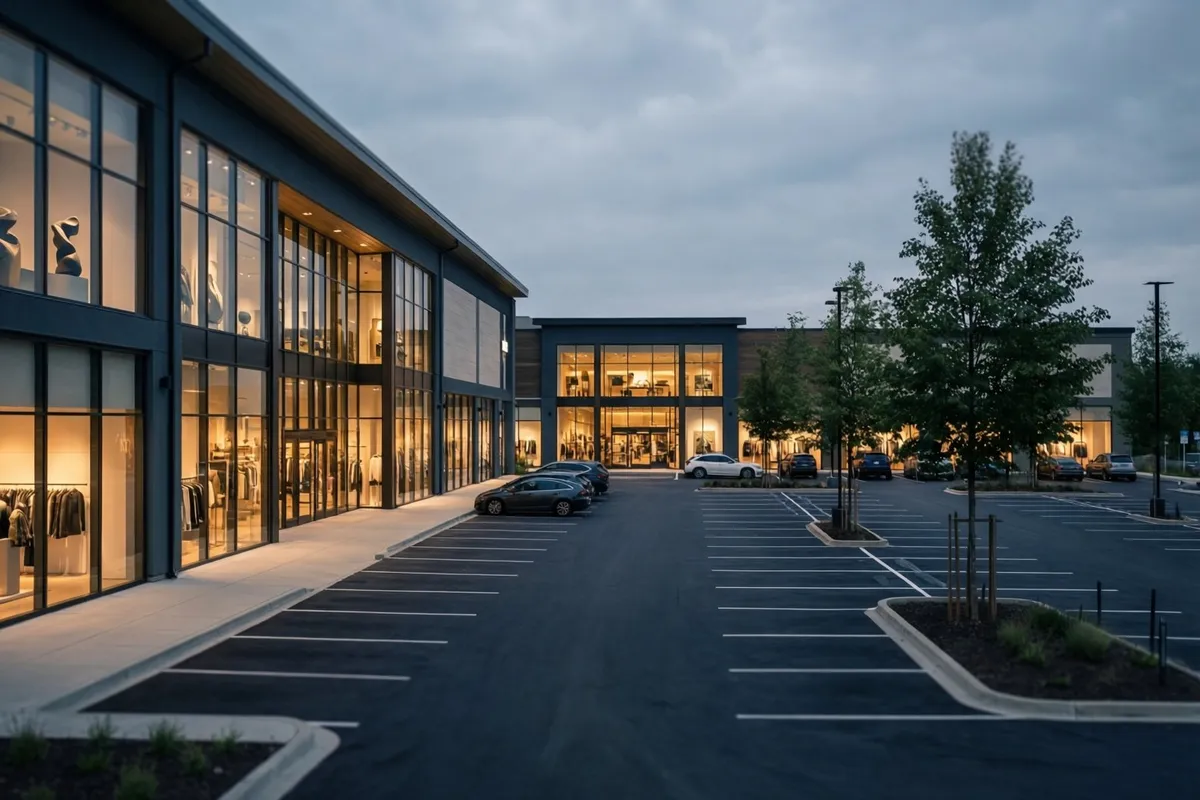
is designed to protect the owners of multi-unit commercial sites against damage to their buildings, loss of rental income and compensation claims from the people who use the site every day. It usually combines buildings insurance, property owners and public liability cover, loss of rent, and employers liability insurance for any estate staff. Ellis David arranges tailored cover for retail parks, business parks and trading estates, as well as for the businesses based on them.
Retail & Business Park Insurance
Who Retail and Business Park Insurance Is For
We arrange cover for:
- Owners and investors of retail parks, business parks, trading estates and multi-let commercial buildings.
- Managing agents who arrange insurance on behalf of owners.
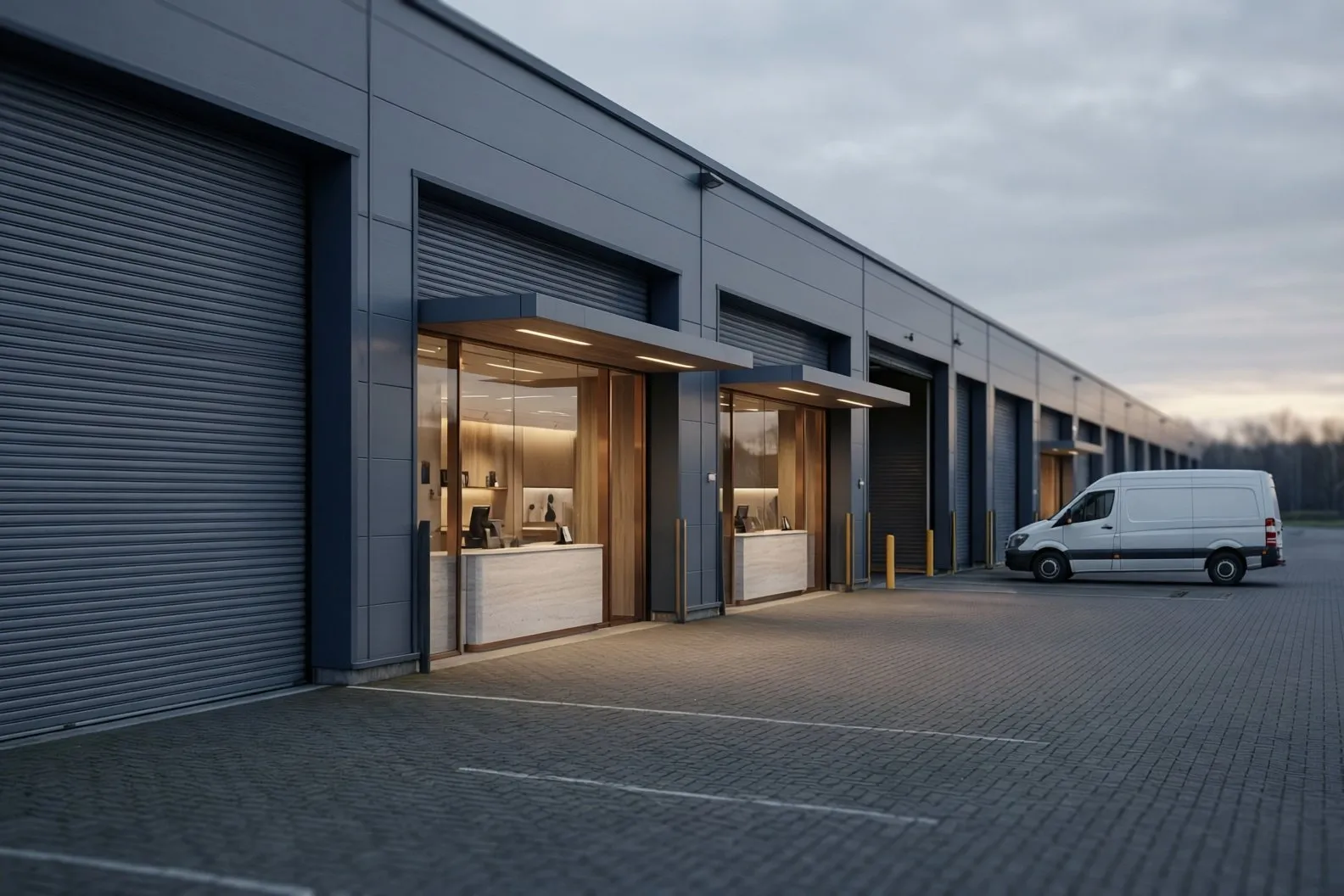
- Businesses based on a park, from office-based businesses to retailers, trade counters and light industrial users.
The cover each needs is different, and the lease usually decides who insures what.
Cover Types
Insurance for Retail and Business Park Owners


Buildings insurance protects the physical premises against insured events such as fire, storm, escape of water and malicious damage, with flood cover depending on the site's location. Accidental damage can often be added as an extra cover option.
On a multi-unit site, the sum insured should reflect the full rebuild cost of every building, including professional fees and debris removal, rather than its market value. Shared structures, such as terraces of units with common roofs or walls, need particular care so that nothing falls between the cover for one unit and the next.
Much of a park's value sits outside the units themselves. Roads, car parks, barriers, lighting, signage, fencing, CCTV and landscaping can be costly to repair after storm damage, vandalism or a vehicle impact. Check that these are included in your buildings cover, and that the sums insured are realistic.
As owner, you can be held responsible for injuries or property damage caused by the condition of the site. A shopper trips on a damaged kerb in the car park, or a visitor slips in a shared walkway on a wet day: property owners liability and public liability cover can pay the compensation and legal costs if you are found legally liable.
Retail parks in particular see heavy footfall, so the limit of indemnity on your liability insurance should reflect the number of people using the site.
If a fire or other insured event damages units so badly that tenants can't trade, rent and service charge income can stop. Loss of rent cover, the landlord's form of business interruption cover, pays the rent you lose while units can't be used, for an indemnity period you choose when arranging cover. Lost service charge is covered only if it is included in the sum insured, so tell your broker if you want it covered.
On a large site, rebuilding and re-letting can take a long time. The indemnity period should allow for both, not just the repair work.
If you employ estate staff, such as site managers, security officers, cleaners or maintenance workers, employers liability insurance is a legal requirement in most cases. GOV.UK guidance states that cover must be for at least £5 million, and that employers can be fined £2,500 for every day they aren't properly insured. Tell your broker who works on site, including any temporary workers, so your cover reflects your actual workforce.
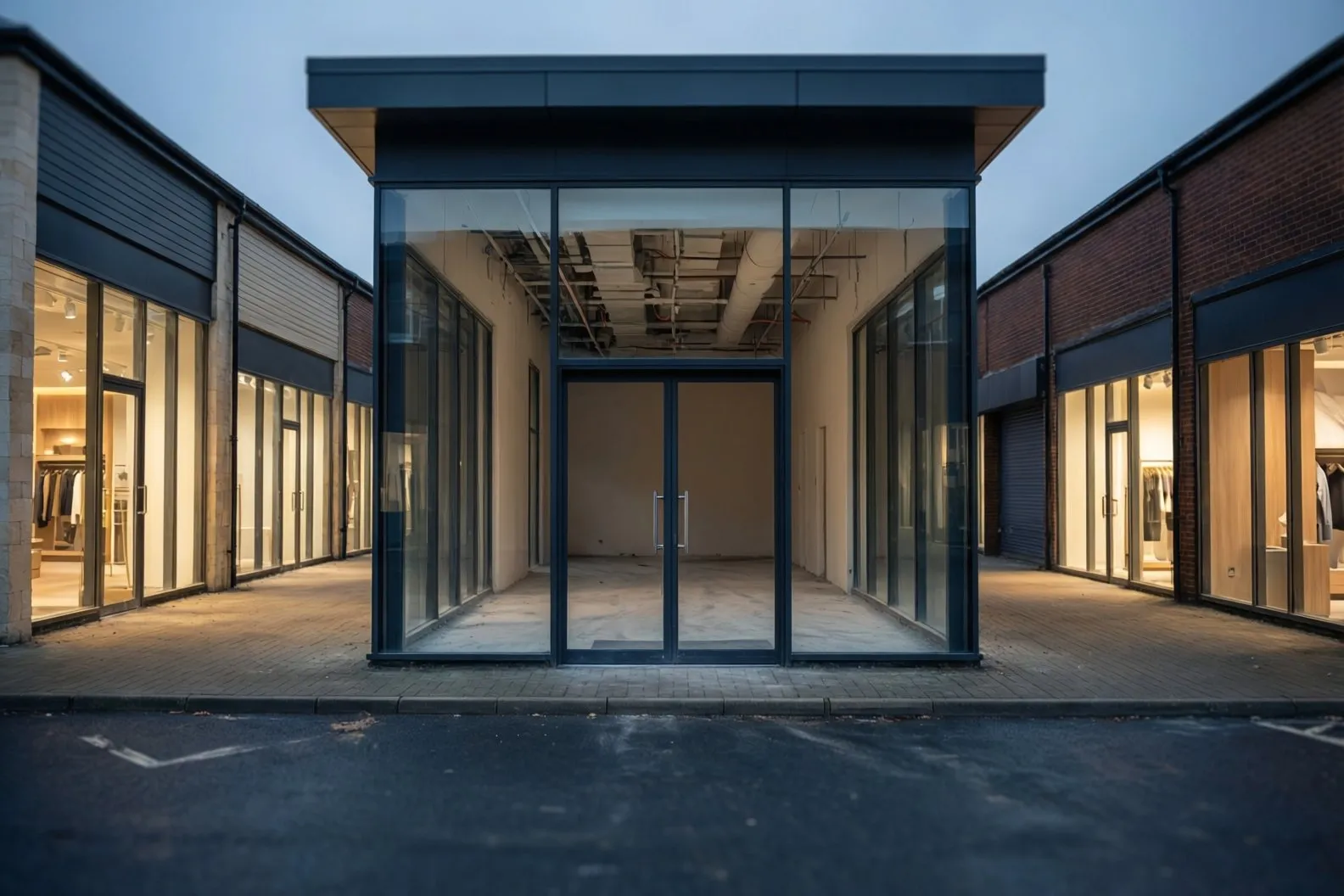
Many parks have units between tenants at some point. Insurers usually treat empty units differently, restricting cover after a set number of days and applying conditions such as regular inspections, draining water systems and securing the premises. These are often conditions of cover, so a claim can be declined if they aren't met. Where units are likely to stay empty, unoccupied commercial property insurance can sit alongside your main policy.
Legal expenses insurance can help with legal fees for disputes with tenants, contractors or neighbours, such as rent arrears or repair disagreements, depending on the policy terms.
Many parks now rely on online access control, CCTV, building management systems and tenant data. Cyber insurance can help with the costs of a data breach or an attack that disrupts these systems.
Managing a Changing Mix of Tenants
Retail and business parks rarely stay the same for long. A unit let to an office-based business today may be let to a gym, a restaurant or a vehicle repair workshop next year. A different trade can change the fire risk, the liability exposure and how insurers see the whole site.
Under the Insurance Act 2015, business policyholders must make a fair presentation of the risk before cover starts, at each renewal and whenever the policy is changed. Most policies also require you to report changes in risk during the year, so tell your insurer about new tenants and changes of use as they happen, not just at renewal.
If you own several sites or a mix of let buildings, a single commercial landlord insurance policy can often bring them together under one renewal date.
Insurance for Businesses on a Retail or Business Park
If your business is a tenant on a park, the landlord's insurance protects the landlord, not you. Your lease will usually set out what the landlord insures and what you must insure yourself.
Most tenants need:
- Contents insurance for stock, equipment, fixtures you've installed and office equipment.
- Public liability insurance for injuries or property damage connected with your business activities.
- Employers liability insurance if you employ staff.
- Professional indemnity insurance if you give professional advice or services.
- Business interruption cover for lost income if insured damage at your premises stops you trading. On a shared site, ask about denial of access cover, which can respond when damage nearby, such as to a neighbouring unit or the estate road, stops customers reaching you.
Retailers on a retail park face particular risks around stock, theft and customer footfall, and shop insurance can combine these covers in one policy. If you're about to start trading, or your business needs a licence, such as a premises licence, check whether your licence or lease sets any insurance conditions.
Paying for Your Insurance
Many insurers allow premiums to be spread by monthly direct debit, which can help with cash flow. Payment options vary between insurers and policies, so ask about them when you request a business insurance quote.
Is Business Insurance Tax Deductible?
Generally, yes. GOV.UK guidance for the self-employed says you can claim for any insurance policy for your business, such as public liability insurance, and lists professional indemnity insurance premiums as an allowable expense. If you run a limited company, business costs are deducted before Corporation Tax is calculated. Tax rules depend on your circumstances, so speak to your accountant or tax advisor before relying on this.
Fire Safety and Shared Responsibilities
On a multi-let site, fire safety responsibilities are often shared. GOV.UK guidance explains that the landlord, owner, occupier or anyone else in control of the premises can be the responsible person, and that for common or shared areas the responsible person is the landlord, freeholder or managing agent. Where more than one person has duties, they must cooperate.
Insurers may ask about fire risk assessments, alarms and how responsibilities are divided between owner and tenants, so keeping these records up to date helps when arranging cover.
What Affects Business Park Insurance Cost?
There's no fixed business insurance cost for a park, because each site is assessed on its own risks. The main factors include:
- The number, size, age and construction of the buildings.
- The rebuild cost of buildings and infrastructure.
- The mix of tenants and their trades.
- Footfall, opening hours and whether the site is open to the public.
- Security measures, such as CCTV, lighting and barriers.
- Any empty units.
- The location of the site, including flood risk.
- The limits and cover options you choose, and your claims history.
The total cost of a policy matters, but the right cover matters more. A lower premium with gaps in the policy details can lead to far greater financial losses after a claim.
Why Choose Ellis David for Business Park Insurance?
Ellis David has been arranging insurance for over 50 years from our office on Essex Road in Islington, London. Our UK-based team has 150+ years' combined experience, and retail and business park cover sits alongside the wider business insurance we arrange for property owners and the businesses that occupy their sites.
Access to 100+ UK insurers and specialist underwriters.
Tailored cover built around your site and tenants, not an off-the-shelf policy.
UK-based staff you can speak to by phone or email, with no call-centre anonymity.
Our allegiance is to you, rather than the insurer.
Help finding multi-policy discounts, where insurers offer them, across personal and commercial policies.
You can meet the team who will look after your policy.
Get a Retail or Business Park Insurance Quote
Send us details of your site using the form below, including the number of units, the tenants and your existing cover, or contact our team. We'll come back to you within one working day.
Retail & Business Park Insurance: FAQs
Business park insurance is commercial insurance for the owners of business parks, trading estates and other multi-unit sites. It usually covers the buildings and shared infrastructure, the owner's liability to visitors and tenants, loss of rental income after an insured event, and employers liability for estate staff. It can be arranged as one policy for the whole site.
Usually not. The landlord's insurance typically covers the buildings, common areas and the landlord's own liability. Tenants need their own business insurance policy for their contents, stock, staff and liability to customers. The lease normally sets out who is responsible for each type of cover.
Some is. Employers liability insurance is legally required for most businesses that employ staff, with cover of at least £5 million. Other covers, such as buildings and public liability insurance, aren't legally required, but leases, lenders and tenants often require them.
Many policies restrict or change cover once a unit has been unoccupied for a set number of days, and apply conditions such as regular inspections and securing the premises. Tell your insurer when a unit becomes empty, and check the conditions in your policy documents so you know what's required.
GOV.UK guidance says self-employed people can claim for any insurance policy for their business as an allowable expense, including public liability and professional indemnity insurance. Limited companies deduct business costs before Corporation Tax. Check your own position with a tax advisor.
Many insurers allow premiums to be paid by monthly direct debit, which can help spread the cost and manage cash flow. Payment options vary between insurers, so ask your broker what's available when you request a quote.
The cost depends on the number and size of the buildings, their rebuild costs, the mix of tenants, footfall, security, any empty units, the location and your claims history. Each site is assessed individually, so request a quote with full details of your site to find out.