
What Is Warehouse Insurance?
Warehouse insurance is a type of business insurance designed to protect warehouse owners and businesses operating from storage or distribution premises against the risks associated with their property and operations.
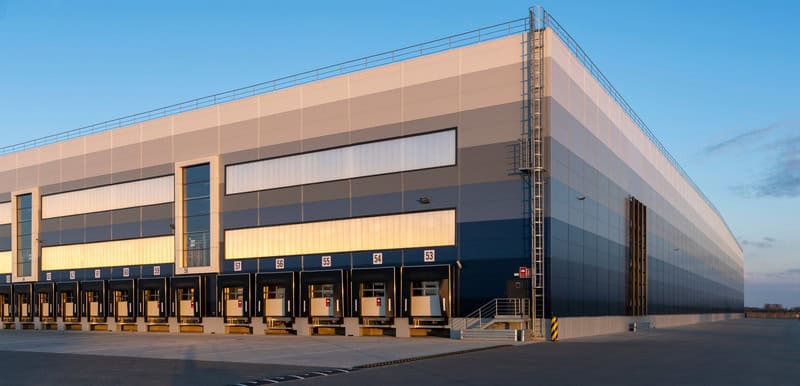
A warehouse can contain significant levels of stock and business contents, alongside office equipment, phone systems, machinery and other assets. The building itself may also have specific risks, particularly where it includes composite panels, loading areas, large storage heights or extensive electrical systems.
A warehouse insurance policy can combine buildings cover, contents insurance, stock cover, liability insurance and business interruption cover, with additional protection available depending on the nature of your business.
Why Do You Need Warehouse Insurance?
Warehouses can face a range of risks that are not always adequately addressed by standard business insurance. A fire, burst pipe, theft or extreme weather event could cause significant property damage while also preventing you from accessing stock or continuing your normal warehouse operations.
For businesses holding high-value stock, the financial consequences can extend well beyond the physical damage. Replacing stock, repairing the warehouse premises and dealing with interrupted trading can create significant costs.
Warehouse insurance allows businesses to bring these risks together under a policy designed around their specific requirements, adding an extra layer of protection for important business assets and liabilities.


What Does Warehouse Insurance Typically Cover?
The exact warehouse insurance cover available will depend on the insurer, your business activities and the risks associated with your premises. A comprehensive policy can include:
Buildings Cover
Buildings insurance protects the warehouse or storage building against insured perils such as fire, storms, escape of water and other property damage.
The buildings sum insured should reflect the full replacement cost of rebuilding the property, rather than its market value. This is particularly important given construction cost inflation, which can affect the cost of reinstating a warehouse following a major loss.
Warehouse Stock Insurance
Warehouse stock insurance protects goods and stock held at your premises against insured risks. This can include your own stock as well as third party goods where the policy has been arranged to reflect your contractual responsibilities.
Accurate stock values are important when arranging stock insurance. Businesses should consider their maximum stock value and whether stock levels fluctuate significantly throughout the year when establishing appropriate sums insured.
Business Interruption Cover
Business interruption cover can provide financial protection if an insured event causes damage that prevents your business from operating normally.
For a warehouse business, this can be a critical component of the insurance policy. A major fire or flood could prevent access to the premises and interrupt deliveries, potentially affecting revenue for an extended period. A business interruption policy therefore helps to pay any lost income from this interruption.
The appropriate indemnity period will depend on your business and how long it could realistically take to repair the warehouse, replace equipment, source alternative premises and return to normal trading.
Contents Cover
Contents insurance can protect business assets kept within the warehouse, including office equipment, furniture, computers, phone systems and other business contents.
Where specialist equipment or machinery forms part of your warehouse operations, this should also be discussed when arranging cover to ensure the policy reflects the assets and activities involved.
Liability Insurance
Liability cover protects your business against certain claims made by third parties arising from your business activities.
Public liability insurance can cover legal liability for injury to members of the public or damage to third-party property, subject to the terms and limits of the policy.
Where your warehouse business employs staff, employers' liability insurance is also an important consideration. Employers' liability is generally a legal requirement for businesses that employ people, subject to specific exemptions.
Legal Expenses Insurance
Legal expenses insurance can provide access to financial support for certain legal disputes and associated costs. This can be particularly useful for businesses dealing with contractual disputes, employment matters or other legal issues connected with their warehouse operations.
Transit Cover
If your business transports stock or goods to and from the warehouse, transit cover may be available to protect goods while they are being transported.
The need for transit cover will depend on your trading terms, contractual responsibilities and whether goods are being transported by your own vehicles or third-party carriers.
Warehouse Insurance For Different Business Activities
The right warehouse insurance cover will depend on more than the physical building. Insurers will also consider how the premises are used, what is being stored and the activities carried out by the business.
This can include:
- Storage and distribution businesses
- Manufacturing and warehouse sectors
- Wholesale and trade businesses
- E-commerce and fulfilment operations
- Businesses storing third party goods
- Importers and exporters
- Logistics and distribution businesses
- Businesses combining warehouse and office operations
The type of goods stored can also affect the risk profile. High-value goods, combustible materials, specialist products and certain manufacturing processes may require specialist cover or additional underwriting considerations.
What Affects The Cost Of Warehouse Insurance?
Warehouse insurance cost varies significantly depending on the circumstances of the business and the level of cover required.
Factors that can affect the premium include:
- The location and construction of the warehouse
- The value and type of goods stored
- Maximum stock value
- The building's replacement cost
- Security arrangements
- Fire protection and detection systems
- Business activities carried out at the premises
- The number of employees and temporary workers
- Liability limits required
- Claims history
- Previous insurance arrangements
- The required level of business interruption cover
- Whether goods belong to the business or third parties
For example, a warehouse storing high-value goods may require different stock cover from a storage facility holding lower-value products. Similarly, premises used for manufacturing may carry different risks from a warehouse used solely for storage and distribution.
Rather than basing cover on a generic warehouse insurance cost, Ellis David can assess your requirements and approach insurers with the information they need to provide appropriate terms.
Warehouse Insurance For Warehouse Owners
Warehouse owners who let their premises to businesses may require a different type of commercial property insurance from an occupier running their own warehouse operations.
Commercial property cover for warehouse owners can include protection for the storage building, fixtures and fittings, property damage and property owners’ liability. Where the property generates rental income, loss of rent cover may also be available following an insured event.
The tenant's business activities are an important consideration when arranging cover. A warehouse used for general storage may present a different risk profile from premises used for manufacturing, vehicle storage or the storage of combustible goods.
If a warehouse becomes vacant, existing cover may also be restricted after a specified period. Specialist unoccupied commercial property insurance may be required to maintain appropriate protection.

Specialist Warehouse Insurance From Ellis David
At Ellis David, we understand that warehouse businesses can have complex insurance requirements. A standard business insurance policy may not always account for the value of stock, the nature of goods being stored, contractual responsibilities for third party goods or the potential financial impact of an interruption to warehouse operations.
As a specialist broker with over 50 years of experience, our London-based team can help you review your existing cover, identify potential gaps and arrange flexible cover around your business needs.
We work with over 100 leading UK insurers and MGAs to source insurance for a range of businesses and storage facilities, helping you establish appropriate sums insured and liability limits.
Our team can help with:
- Assessing your warehouse and business risk
- Reviewing existing insurance cover
- Establishing appropriate stock values and sums insured
- Identifying suitable business interruption cover
- Arranging buildings and contents cover
- Advising on public liability and employers' liability
- Considering transit cover and third party goods
- Arranging specialist cover where standard insurance is unsuitable
- Reviewing your policy as your business changes
Ellis David can help you arrange warehouse insurance that reflects the way your business actually operates, with flexible cover designed around your property, stock, liabilities and business interruption requirements. Our team brings a combined experience of 150 years, and with 1,000+ products on offer, we’re on hand to discuss your requirements.
Warehouse Insurance FAQs
What Does Warehouse Insurance Typically Cover?
Warehouse insurance typically covers a combination of property damage, stock, contents and liability risks. Depending on your requirements, a policy can include buildings cover, warehouse stock insurance, contents insurance, business interruption cover, public liability, employers' liability, legal expenses and transit cover.
The exact cover available will depend on the insurer and the circumstances of your business.
Is Warehouse Insurance A Legal Requirement?
Warehouse insurance itself is not generally a legal requirement in the UK. However, certain types of cover may be required depending on your circumstances.
For example, employers' liability insurance is generally required if you employ staff, while a mortgage lender may require buildings insurance on a warehouse property.
Even where insurance is not legally required, appropriate cover can help protect your business from potentially significant financial losses.
Do I Need Stock Insurance For A Warehouse?
If your business owns stock stored in the warehouse, stock insurance can be an important part of your business insurance policy. The appropriate level of stock cover will depend on the value and type of goods held and the maximum stock value you need to insure.
If you store third party goods, you should also explain your contractual responsibilities to your broker so that the policy can be arranged appropriately.
Does Warehouse Insurance Cover Third Party Goods?
It can, depending on the policy and your contractual responsibilities. If you operate a storage warehouse holding goods belonging to customers or other businesses, this should be made clear when arranging cover.
The policy may need to account for your legal liability for goods in your care, custody or control.
Does Warehouse Insurance Include Business Interruption Cover?
Business interruption cover can be included as part of a warehouse insurance policy. It is designed to provide financial protection following an insured event that causes an interruption to your business.
For warehouse businesses, this can be particularly important because property damage may prevent access to stock, interrupt distribution and require repairs or alternative premises before normal trading can resume.
The appropriate indemnity period should reflect the time your business could realistically need to recover following a major loss.
Does Warehouse Insurance Cover Stock In Transit?
Not necessarily. Stock held at the warehouse and stock being transported can have different insurance requirements.
Transit cover can be arranged where appropriate to protect goods while they are being transported. The extent of cover will depend on your trading terms, contractual responsibilities and how the goods are moved.
How Much Does Warehouse Insurance Cost?
There is no standard warehouse insurance cost because premiums are calculated according to the specific risk.
Insurers may consider the warehouse location, construction, security, business activities, type and value of stock, maximum stock value, claims history, liability requirements and the level of business interruption cover required.
With over 150 years of combined experience, Ellis David can approach insurers based on your specific circumstances and help you arrange cost-effective protection for your business needs.
Can I Insure A Warehouse Used For Manufacturing?
Yes. Warehouses that combine storage with manufacturing or other business activities can be insured, although the additional activities need to be disclosed when arranging cover.
The manufacturing process, machinery, materials used and associated fire or liability risks can all affect the risk profile and the type of specialist cover required.
Does Warehouse Insurance Cover Damage From A Burst Pipe?
Property damage caused by an escape of water, including a burst pipe, may be covered where it results from an insured peril under the policy.
The precise extent of cover and any applicable conditions or exclusions will depend on the warehouse insurance policy.
Can Warehouse Insurance Cover Office Equipment?
Yes. Contents cover can include office equipment and other business assets located within the warehouse premises, subject to the terms and sums insured.
This can include computers, furniture, phone systems and other equipment used as part of the business.
Can Ellis David Arrange Warehouse Insurance For Multiple Locations?
Depending on the circumstances, businesses with multiple warehouses or storage facilities may be able to arrange cover under a single policy or coordinated insurance programme.
We can assess your locations, activities and business needs and discuss the available options with insurers.
Can My Warehouse Insurance Be Paid By Direct Debit?
Payment options vary between insurers. Depending on the policy and insurer selected, direct debit or other payment arrangements may be available.
We can discuss the available payment options when arranging your cover.
Why Use A Specialist Broker For Warehouse Insurance?
A specialist broker can help identify the risks that need to be considered when arranging warehouse insurance and design a policy reflects your business activities.
Ellis David can work with leading UK insurers, review your existing cover, advise on appropriate sums insured and help arrange specialist cover where standard business insurance does not adequately address your requirements.
Tell us what you need
Send a few details and we'll come back to you within one working day with terms matched to your circumstances, not an off-the-shelf price.