
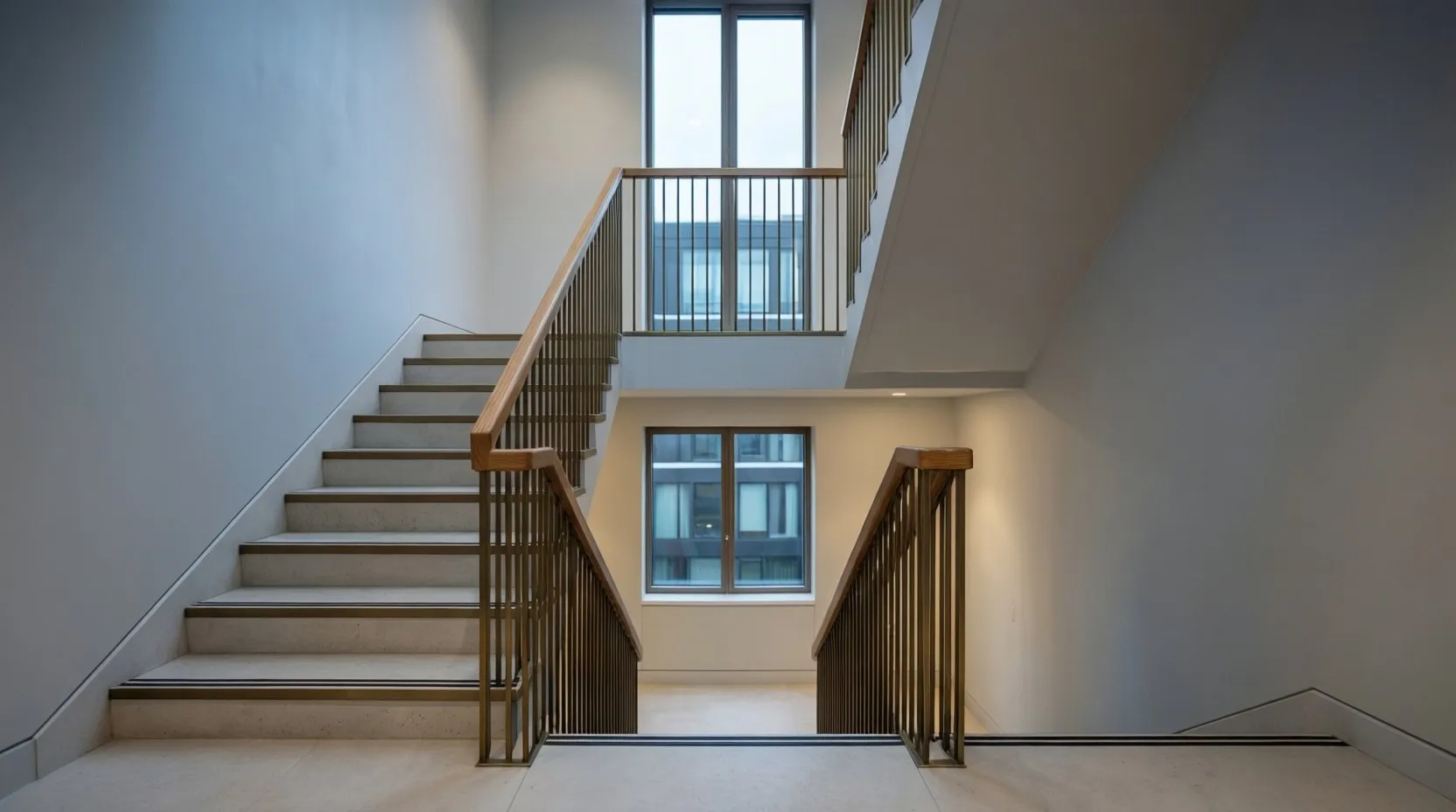
If a tenant or visitor is injured at a rental property, the landlord can be held liable where the injury was caused by a defect or hazard the landlord was responsible for and failed to deal with. The injured person may claim compensation for their injuries, losses and medical expenses, and the landlord may face significant legal costs defending the claim. Landlord liability insurance, usually called property owners' liability insurance, is designed to respond to claims of this kind.
Liability claims often start with ordinary hazards. A loose tile on a communal staircase, a faulty balustrade or a boiler that was not serviced can each lead to a personal injury claim. This guide explains the duties landlords owe, what happens after an incident, and how residential landlord insurance with the right liability cover fits in.
Key Takeaways
- Landlords owe a duty of care to tenants and visitors for the parts of a property they control or are responsible for repairing.
- Under the Defective Premises Act 1972, a landlord with a repairing obligation owes a duty to people who might reasonably be expected to be affected by defects, if the landlord knew or ought to have known about them.
- Liability usually depends on whether you took reasonable care, so inspection records, repair logs and safety certificates matter.
- Property owners' liability cover is not a legal requirement for landlords, but employers' liability usually is if you employ staff.
- Report any incident that could lead to a claim to your insurer or broker promptly, and follow your policy conditions before responding to the claimant.
General Information
This article is for information only and is not legal advice or advice on any particular policy. It describes the general position in England. Rules differ in Scotland, Wales and Northern Ireland, and the terms that apply to you are those set out in your own policy. If you receive a claim, take legal advice and speak to your insurer or a qualified broker.
What Is Landlord Liability?
Landlord liability is the legal responsibility a property owner may have for injury to people, or damage to their property, arising from the condition or management of a rental property. The people affected can include tenants, their guests, contractors, delivery drivers and members of the public passing the building.
A typical claim involves bodily injury, such as a fall on a loose carpet in a hallway, a trip on a broken paving slab, or an injury caused by a defective fitting. Claims can also involve damage to someone else's property, for example a water leak from your building that damages a neighbour's home.
Landlord liability is different from the cover that protects the building itself. Buildings insurance pays for damage to your property from insured events. Liability cover responds when someone else holds you legally responsible for their injury or loss.
The Landlord's Duty of Care
A landlord's duty of care depends on what the landlord controls, what the tenancy agreement says, and the legal obligations that apply to rented homes.
Communal Areas and Parts You Control
Where you keep control of part of a building, such as shared hallways, stairs, lifts, car parks or gardens, you are generally treated as the occupier of those areas. Under section 2 of the Occupiers' Liability Act 1957, an occupier owes visitors the common duty of care: to take reasonable care that they will be reasonably safe there. Communal areas are shared by many people, which is why hazards in them matter, particularly in houses in multiple occupation and blocks of flats.
Repairs and the Defective Premises Act 1972
Once a property is let, the tenant occupies the home itself, but the landlord's responsibility does not end there. Under section 4 of the Defective Premises Act 1972, where a tenancy puts an obligation on the landlord to maintain or repair the premises, the landlord owes a duty to all persons who might reasonably be expected to be affected by defects in the state of the premises.
That duty applies if the landlord knew, or ought to have known, about the defect. The Act also extends the duty to landlords who have a right to enter to carry out repairs. In practice, this means a landlord who ignores a reported fault, or fails to inspect a property they have a right to repair, may be deemed liable if someone is hurt.
Safety Obligations for Residential Properties
Landlords of residential properties also have specific safety duties. The government's guidance on landlord responsibilities says landlords must keep rented properties safe and free from health hazards, make sure gas and electrical equipment is safely installed and maintained, and fit and test smoke and carbon monoxide alarms. Failing to meet these duties can expose a landlord to enforcement action as well as to civil claims.
The rules on private renting in England changed from 1 May 2026, so check the current guidance if you let residential property.
What Happens If a Tenant or Visitor Is Injured
Every incident is different, but the general sequence is similar.
Straight After the Incident
Make sure the injured person gets any help they need, then make the area safe to prevent further injury or further damage. Record what happened while the details are fresh:
- The date, time and location
- Who was involved and any witnesses
- Photographs of the area and the hazard
- Any repair or maintenance history for that part of the property
Tell your insurer or broker as soon as you can, even if no claim has been made yet. Your policy wording will set out conditions about reporting incidents and about not admitting liability or agreeing anything with the injured person without the insurer's consent. Breaching those conditions can affect your cover, so read them before you respond.
When a Claim Arrives
A personal injury claim usually begins with a letter from the injured person or their solicitor setting out what happened and why they say you are responsible. Claims can arrive months after the incident, so keep records even where nobody seemed to be hurt badly at the time.
Pass the letter to your insurer straight away. Where a liability claim is covered, your insurer may take over handling it, including investigating the facts, appointing legal representation where needed, and negotiating with the claimant.
How Liability Is Decided
Being the landlord does not make you automatically responsible for every accident. The questions are usually whether you owed the injured person a duty of care, whether you took reasonable steps to meet it, and whether any failure on your part caused the injury.
This is why an audit trail matters. Dated inspection reports, records of repairs carried out promptly, current gas and electrical safety certificates, and correspondence with tenants all help show that you took reasonable care. A landlord who can produce them is in a far stronger position than one relying on memory.
How Landlord Liability Insurance Responds
Property owners' liability insurance, the form of liability cover written for landlords, is designed to pay compensation and associated costs if you are found legally liable for injury to a third party or damage to their property in connection with your rental property. It can also include the legal costs of defending a covered claim, subject to the policy terms and limit of indemnity.
A few points to understand about your cover:
- It is not public liability for a business. Public liability insurance covers a business's activities. Property owners' liability covers your liability as the owner of the building. Some landlords need both, for example if they also run a business from the premises.
- The limit of indemnity matters. Choose a limit that reflects the size and use of your property. A mortgage lender, freeholder or managing agent may also specify a minimum.
- Legal expenses cover is separate. Legal expenses insurance is an optional cover that helps with legal fees in disputes such as tenant arrears or possession proceedings. It is not the same as the defence costs included in liability cover.
- Employers' liability may be compulsory. If you employ a cleaner, caretaker or maintenance worker directly, you are likely to need employers' liability insurance. The Health and Safety Executive explains the requirement and its exemptions.
- Contractors should carry their own cover. Ask tradespeople working at your property for evidence of their public liability insurance before they start.
Liability cover is usually arranged as part of a landlord insurance policy alongside buildings insurance, landlord's contents insurance and other optional cover. Landlords who also run a business from their premises can arrange business liability insurance for those activities alongside their property cover.
Residential, Block and Commercial Landlords
The same principles apply across different types of rental property, but where the risk sits can change.
Residential landlords letting houses and flats face claims from tenants and their visitors, often linked to repairs, stairs, gardens and safety equipment. A landlord insurance policy for residential lets brings buildings, contents and property owners' liability cover together for one property or a portfolio.
Freeholders and managing agents of blocks are usually responsible for communal areas, lifts, roofs and external areas, which are shared by many residents and visitors. Block of flats insurance is arranged with that shared exposure in mind.
Commercial landlords may share responsibility with business tenants depending on the lease. A tenant under a full repairing lease may take on much of the repair obligation, but the landlord can remain liable for parts it retains or controls. Commercial landlord insurance is arranged around the terms of the lease and the use of the building.
Investors with a mixed portfolio of commercial property and residential properties can often bring them together under property owners insurance, which can make it easier to keep liability limits consistent across every building.
Key Steps Landlords Can Take to Reduce Liability Claims
Your landlord insurance responds after an incident. These steps reduce the chance of one happening, and they strengthen your position if it does.
- Carry out regular mid-term inspections. Give tenants proper notice, and look for potential hazards such as loose tiles, worn stair carpets, damaged handrails, trip hazards outside and signs of damp or leaks.
- Do repairs promptly. Act on reported faults quickly and keep a record of when they were reported and when they were fixed.
- Keep safety certificates current. Diarise gas safety checks, electrical inspections and alarm tests.
- Assess communal areas. Where you control shared spaces, carry out a risk assessment covering lighting, flooring, stairs, fire safety and access.
- Set out responsibilities clearly. Make sure the tenancy agreement states who is responsible for which repairs, and that tenants know how to report problems.
- Check contractors' insurance. Ask for evidence of cover before work starts.
- Keep an audit trail. Store inspection notes, photographs, invoices and correspondence where you can find them years later.
Landlord Insurance With Ellis David
We have been arranging cover for landlords and property owners from our office on Essex Road in Islington, London, for over 50 years, and our team has 150+ years' combined experience.
We work with 100+ UK insurers and specialist underwriters, so we can approach a wide range of insurers for single lets, portfolios, blocks and commercial buildings. Our advisers are UK-based and reachable by phone or email, and we take time to understand your properties, your leases and your tenants before recommending cover. We are authorised and regulated by the Financial Conduct Authority.
You can meet the team who would look after your policies. If you would like to review your liability cover or arrange a landlord insurance quote, speak to our property team about landlord liability insurance for your rental property.
Frequently Asked Questions
Is a Landlord Liable If a Tenant Is Injured in the Property?
A landlord can be liable if the injury was caused by a defect the landlord was responsible for repairing, and the landlord knew or ought to have known about it. Under the Defective Premises Act 1972, that duty extends to anyone who might reasonably be expected to be affected by the defect. If the injury had nothing to do with the landlord's responsibilities, the landlord is unlikely to be liable.
Is Landlord Liability Insurance a Legal Requirement?
Property owners' liability insurance is not a legal requirement for landlords, although lenders, freeholders or managing agents may require it. Employers' liability insurance is a separate legal requirement for most people who employ staff, subject to limited exemptions.
What Is the Difference Between Public Liability and Property Owners' Liability?
Public liability insurance covers claims arising from a business's activities. Property owners' liability insurance covers claims arising from your ownership of a building, such as an injury caused by a defect in a communal area. Landlords usually need property owners' liability, and some also need public liability if they run a business from the premises.
Does Landlord Liability Insurance Cover Legal Costs?
Liability cover can include the cost of defending a covered claim, as well as any compensation awarded, up to the policy limit. Legal expenses insurance is a separate optional cover for other disputes, such as rent arrears or possession claims. Check your policy wording for the exact terms.
What Should a Landlord Do After Someone Is Injured at a Rental Property?
Make sure the person gets help, make the area safe, and record what happened with photographs and witness details. Then notify your insurer or broker promptly and do not admit liability or agree anything with the injured person until you have checked your policy conditions.
Is a Landlord Liable for Injuries in Communal Areas?
Usually, the landlord or freeholder controls communal areas such as hallways, stairs and gardens, and so owes visitors a duty to take reasonable care that they are reasonably safe there. Regular inspections, prompt repairs and good lighting all help a landlord show that reasonable care was taken.
Useful Resources
- legislation.gov.uk, Occupiers' Liability Act 1957, section 2: https://www.legislation.gov.uk/ukpga/1957/31/section/2
- legislation.gov.uk, Defective Premises Act 1972, section 4: https://www.legislation.gov.uk/ukpga/1972/35/section/4
- GOV.UK, Renting out your property: landlord responsibilities: https://www.gov.uk/renting-out-a-property/landlord-responsibilities
- Health and Safety Executive, Employers' Liability (Compulsory Insurance) Act 1969: a brief guide for employers: https://www.hse.gov.uk/pubns/hse40.htm